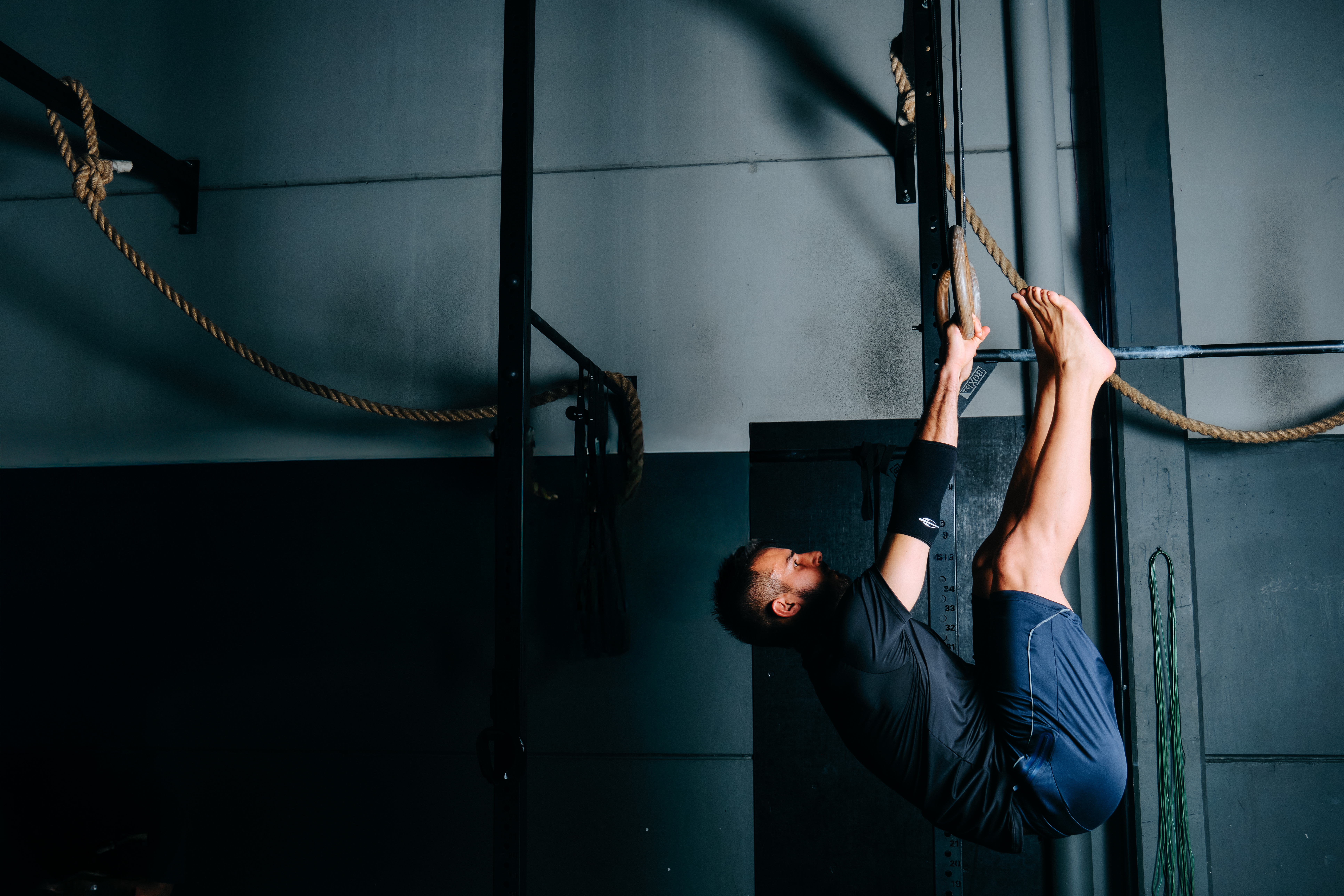
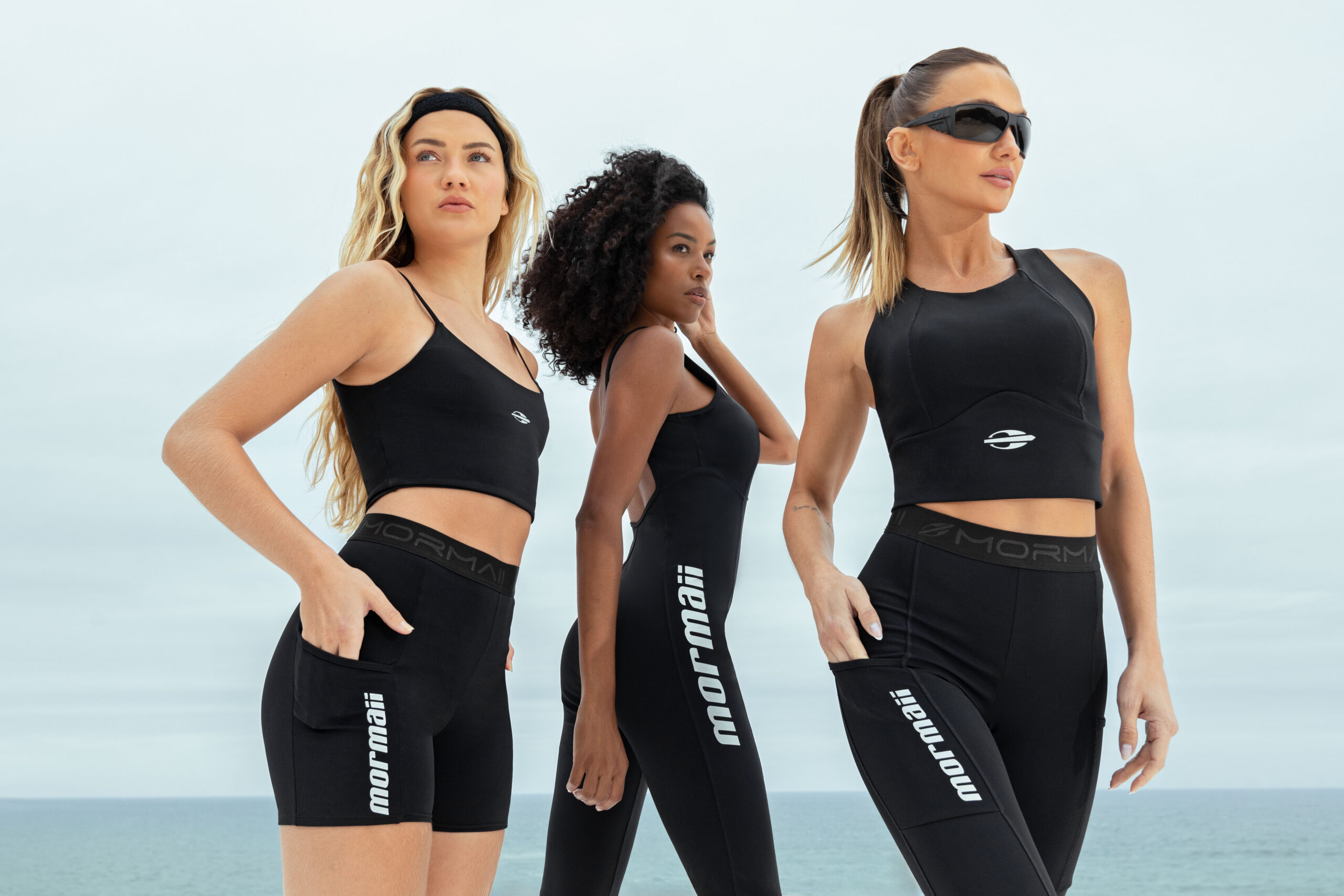
Activewear is one of those things people underestimate until it’s wrong. You can have motivation, a plan, and a free window to train, and still find yourself stalling because the outfit feels annoying. Too hot. Too tight in the wrong place. Fabric that distracts you. A waistband that makes you adjust every five minutes. It’s not dramatic. It’s just enough friction to make “starting” feel heavier than it should.
That’s the real point: for most people, the barrier isn’t the workout. It’s the setup. And what you wear is part of that setup.
One of the most practical reasons this matters is comfort and heat. When clothing traps heat or feels abrasive, it changes the experience of effort. You get distracted, you feel more uncomfortable, and your brain starts looking for an exit. A 2022 narrative review on sports clothing, thermoregulation, and comfort explains how apparel can influence thermal comfort and perceived strain during exercise, especially in warm conditions. In everyday terms, if your gear makes you feel hotter or less comfortable, you’re more likely to cut the session short, avoid certain activities, or delay the next one.
But it’s not only physical. There’s a mental layer too, and this is where clothing research gets interesting. A well-known 2012 psychology paper introduced the concept of “enclothed cognition,” showing that what we wear can influence how we think and perform, through both the meaning we attach to clothing and the experience of wearing it. In real life, this can look like a small shift in focus, confidence, and readiness. Not because fabric is magic, but because your brain responds to signals, and clothing is a signal you carry on your body.
Then there’s the part people rarely say out loud: confidence can change behavior. Feeling watched, judged, or exposed affects how someone shows up, where they choose to train, and whether they feel comfortable doing certain movements in public spaces. That relationship is discussed in the Journal of Sport & Exercise Psychology through work on self-presentational concerns in exercise and sport. In practice, it’s why some people avoid gyms, avoid group classes, or avoid certain outfits entirely, even when they want to be active.
Put those pieces together and the takeaway is simple, but not obvious: the best activewear is the one that helps you forget about it. It supports the session instead of becoming part of the challenge. It makes movement feel straightforward. It makes leaving the house feel easier. And over time, it can make consistency feel more realistic, because the start doesn’t feel like a negotiation.
This is exactly where Mormaii’s view of functionality lives. Not hype, not “performance theatre,” just gear built to work in real conditions and real routines. Because for most people, the habit is won or lost before the workout even begins.
Read more: How to stay active when your routine changes