If your sleep and energy have felt off this week, you’re not imagining it. Every March, when clocks in the US jump forward one hour, the circadian rhythm, your body’s internal clock, takes a hit that most people chalk up to bad sleep or low motivation. But the biology behind it tells a different story.
One hour that feels like more
The time change sounds minor. But your body doesn’t operate on clock time. It runs on light, and that single hour shifts when your eyes receive morning sunlight, which is the main signal your brain uses to know when to wake up, when to release energy, and when to wind down for sleep.
When clocks spring forward, your alarm goes off before your body is ready. The light your brain expects in the morning arrives later by the clock, and the evening stays brighter for longer. That mismatch is what sleep researchers call social jet lag, and it’s enough to disrupt sleep quality, mood, focus and energy for several days.
Why spring is harder than fall
Not all clock changes hit the same way. Research published in Scientific Reports found that the spring transition is significantly harder on the body than the fall one. When clocks fall back, the adjustment is relatively smooth. When they spring forward, the body has to push its rhythms earlier, which goes against the natural tendency most people have to drift later. People with later sleep patterns, what researchers call evening chronotypes, can feel the disruption for up to a week, even when their total sleep hours stay the same.
What it does to your training
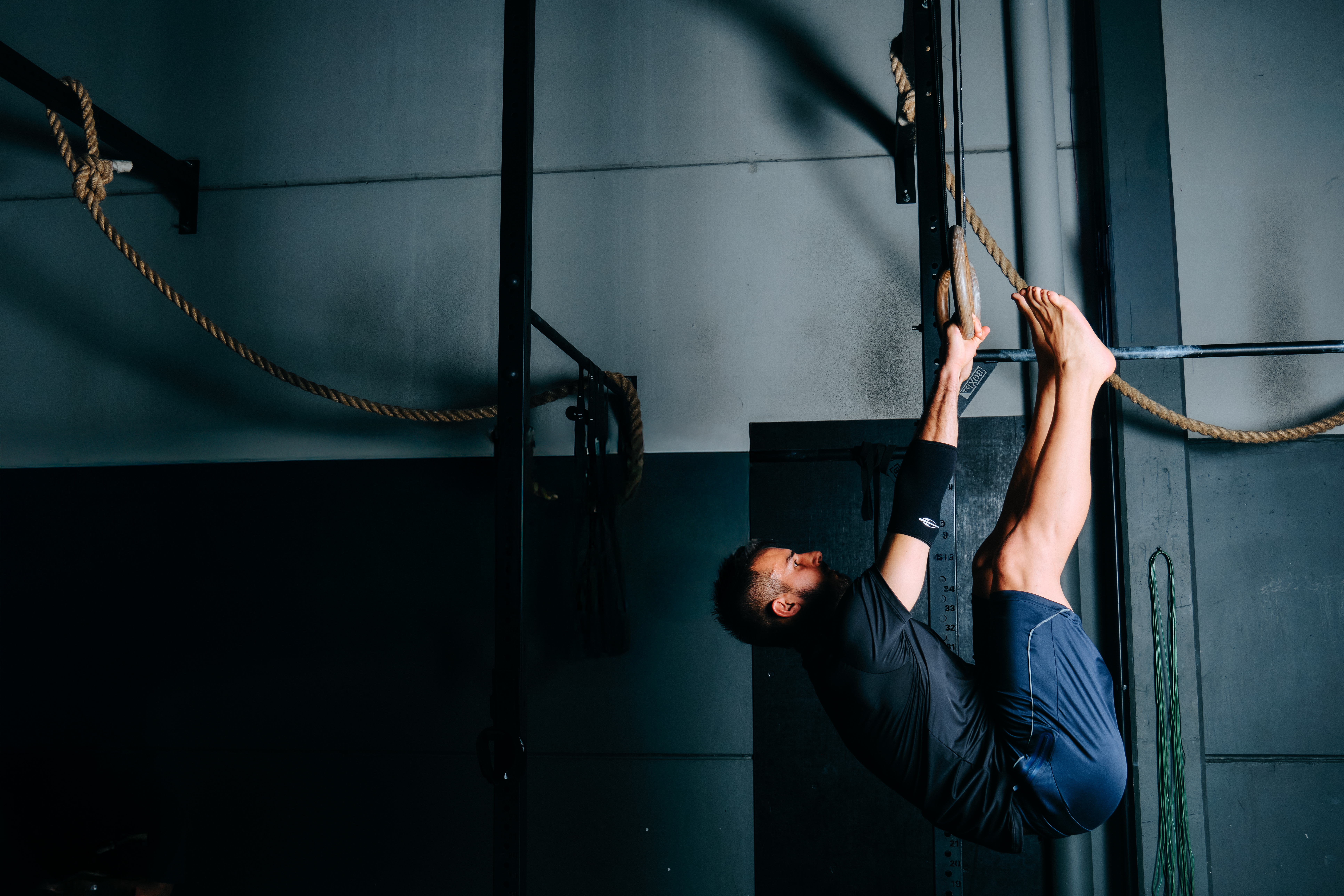
The circadian rhythm doesn’t just regulate sleep. It also controls hormone levels, body temperature and muscle readiness throughout the day. When that rhythm is off, the effects show up in the gym, on the mat and on the trail. Heavier legs, slower reaction times, less motivation to move and longer recovery are all common in the days following the spring change. None of that is a discipline problem. It’s your biology catching up with the clock.
The reset that actually works
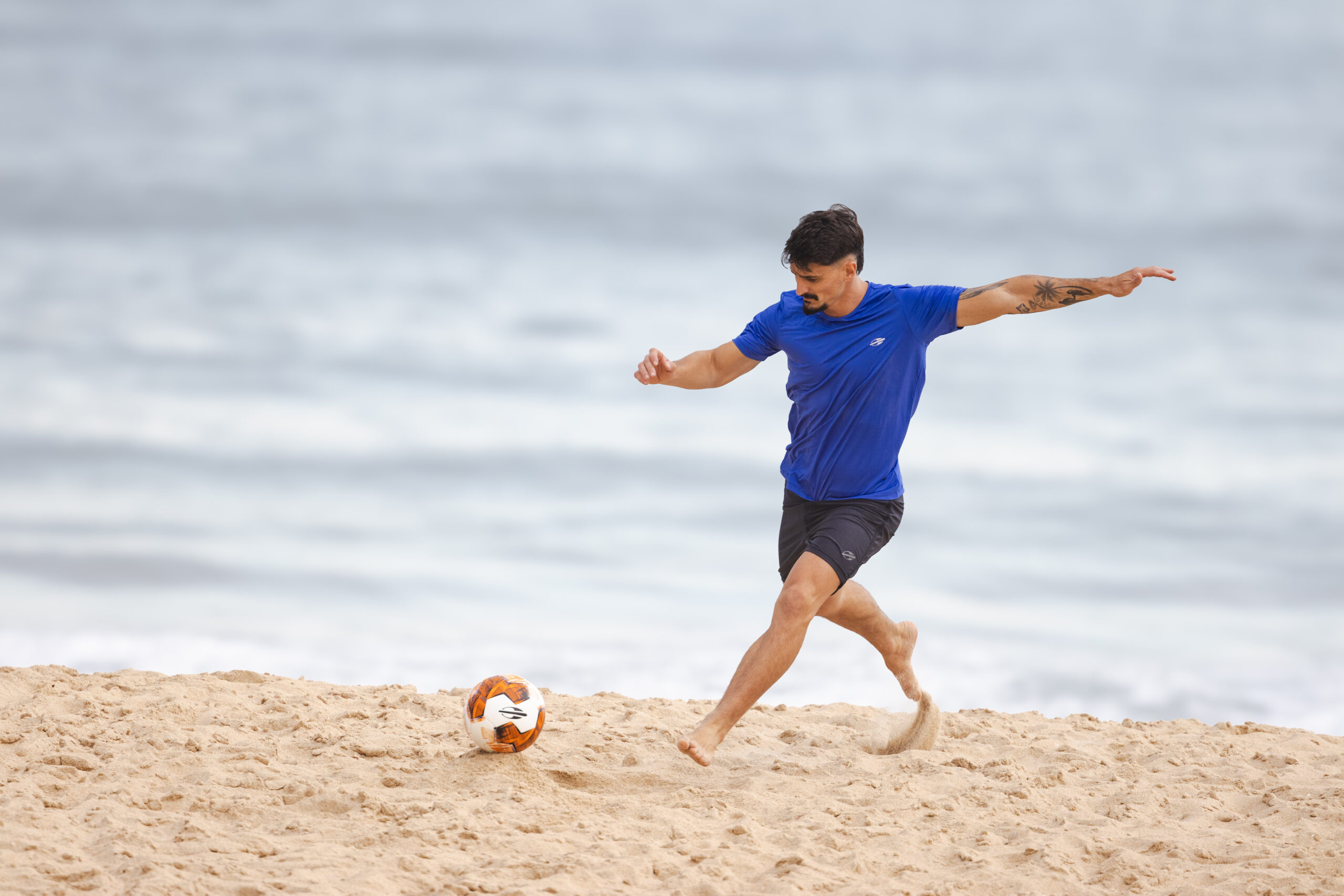
The most effective way to realign your circadian rhythm is a combination that researchers at the University of Florida have been studying for years: morning light and movement. Getting outside within the first hour of waking, even for a short walk or run, sends two powerful signals to your body at the same time. Light resets the central clock in the brain, and movement activates the peripheral clocks in your muscles and organs. Together, they work faster than either one alone.
The key is consistency over the next few days. Keeping your wake time stable, getting morning light as early as possible and avoiding bright screens late at night will help your body resynchronize faster than simply waiting it out.
What this means for your week
You don’t need to overhaul your routine. A short outdoor session in the morning, even 15 minutes, is enough to start the reset. Give your body a few days, stay consistent with your movement window and trust that the heaviness you’re feeling right now is temporary. Your rhythm will catch up.
That’s what a routine that survives real life actually looks like. Not perfect, not identical, and definitely not the same thing every single day.