
Beach sports growth is outpacing traditional categories. Here’s why more people are trading the gym for the sand and what the numbers say.
Beach sports growth is one of the clearest signals of how people’s relationship with physical activity is changing. The gym isn’t disappearing, but the fastest growing sport categories right now all have something in common: they happen outside, usually with other people, in places you actually want to be.
That shift isn’t accidental. And the numbers make it hard to ignore.
The size of what’s happening
The global water sports market is currently valued at over $58 billion and growing at 10.6% annually, a rate that outpaces most traditional sport categories. That kind of sustained growth doesn’t happen because of hype. It happens because the underlying behavior has genuinely changed.
People are choosing sports that feel like less of an obligation and more of a natural extension of how they want to spend their time. Beach volleyball, surfing, kiteboarding, beach tennis, these sports share a common profile: low barrier to entry, inherently social, and set in environments that make people want to come back.
Beach tennis as a case study
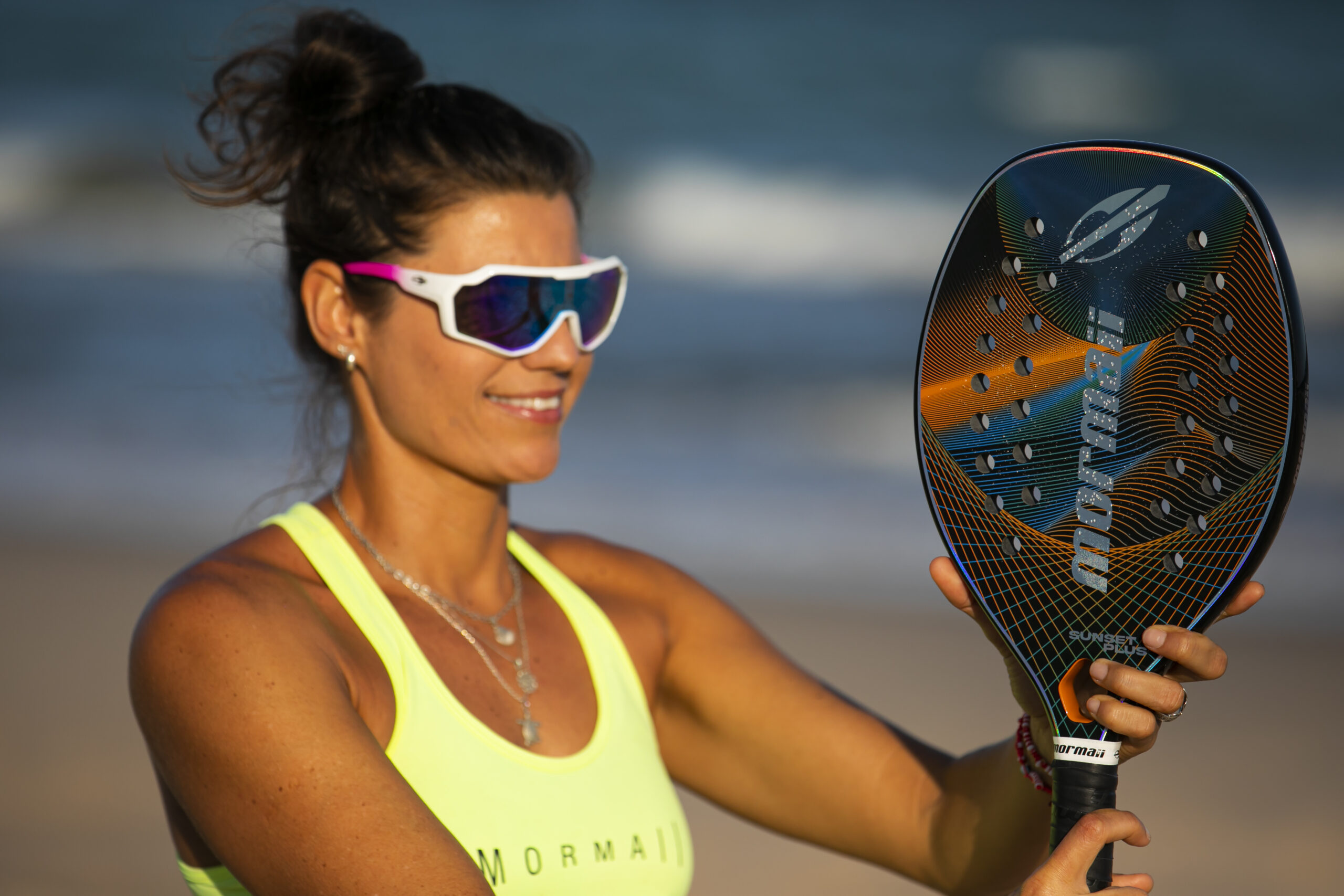
Beach tennis is one of the cleaner examples of what’s driving outdoor sports growth right now. The global market for beach tennis equipment is projected to grow from $120 million in 2023 to nearly $350 million by 2032, a compound annual growth rate of 12.5%. North America and Europe are leading that expansion, pulled by younger audiences who want a sport they can pick up quickly, play with friends, and enjoy without needing a facility membership or a long learning curve.
The sport sits at an interesting intersection: it has the competitive structure of tennis, the accessibility of a beach activity and the social energy of a pickup game. That combination is proving hard to resist for people who tried traditional gym routines and found them difficult to sustain long term.
What kiteboarding and beach volleyball tell us
Kiteboarding’s confirmation as an Olympic sport for the Los Angeles 2028 Games is another indicator of where outdoor sports are heading. Olympic inclusion tends to follow sustained growth in participation and visibility, not precede it. The sport has been building a serious global community for years, and the LA 2028 announcement reflects that momentum reaching a mainstream audience.
Beach volleyball tells a similar story. Its Olympic presence since 1996 has helped legitimize it as a serious competitive discipline, while its casual recreational version has grown steadily as a weekend sport that requires almost no infrastructure to enjoy. You need a net, a ball, and a patch of sand. That simplicity is part of the point.
Why the gym keeps losing Saturdays
There’s a straightforward psychological reason behind all of this. Research on exercise adherence consistently points to enjoyment and context as two of the most reliable predictors of whether someone sticks with a physical activity long term. When the sport is fun and the setting is appealing, the motivation problem largely solves itself. You don’t need to convince yourself to go. You just go.
The gym works well for people who are already motivated, disciplined about their routines, or training for specific performance goals. But for the broader population trying to stay consistently active across months and years, beach sports offer something the gym often can’t: a reason to look forward to it.
The bigger picture
What beach sports growth really reflects is a broader shift in how people define an active lifestyle. Less structured, less indoor, less about metrics, and more about experience. The sports winning right now are the ones that understood that shift early and built communities around it. Mormaii has been part of beach sport culture for nearly 50 years. Not as a trend to capitalize on, but as a brand that was built inside it from the beginning.
Read more: Rest and Training: Why Recovery Is Part of the Process