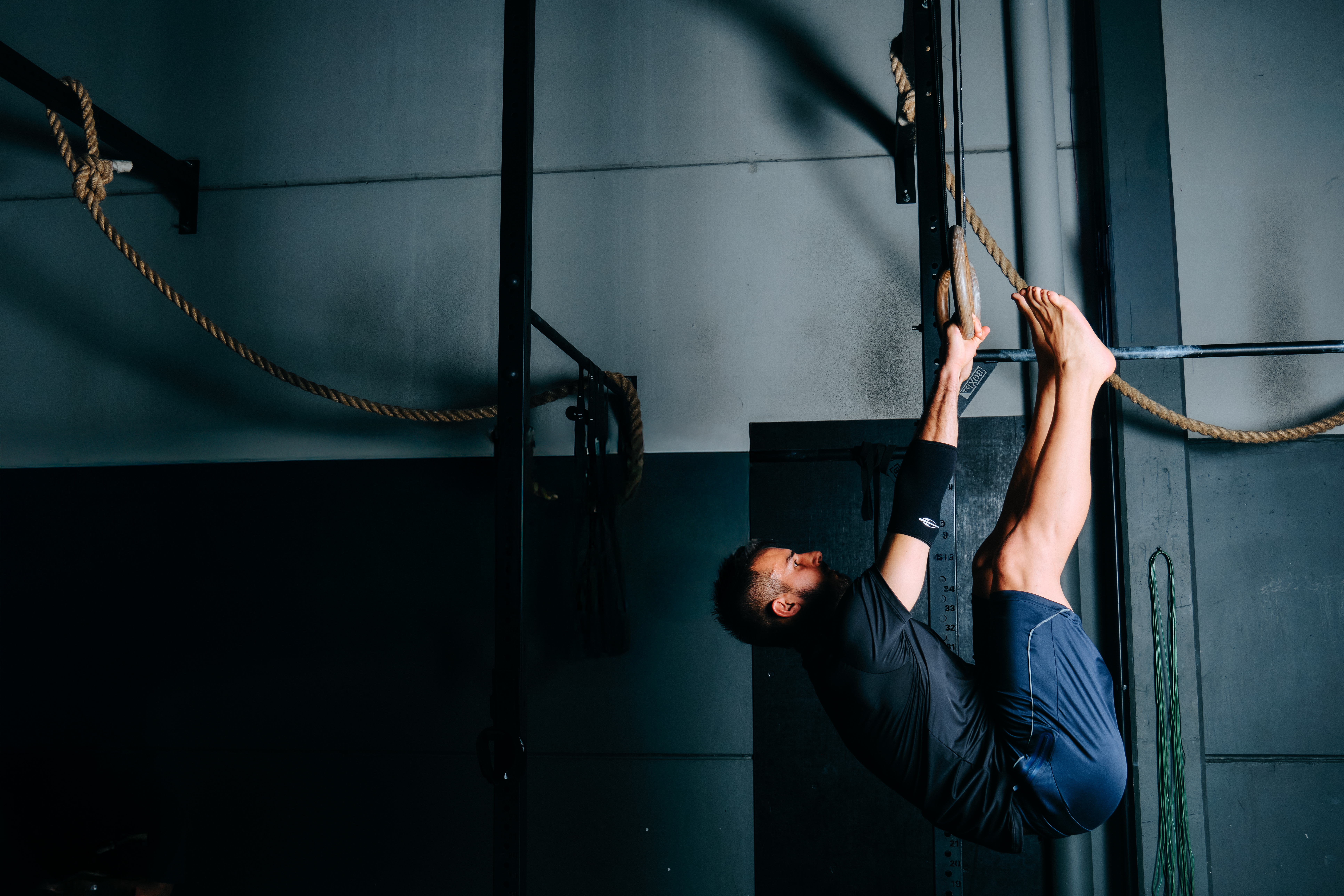

Burnout and exercise have a relationship that most people only discover after hitting a wall. You spend months running at full capacity, calendar packed, output high, rest minimal, and then one day the energy just stops showing up. What follows isn’t laziness. It’s what happens when a nervous system running on chronic stress finally runs out of road.
Understanding that connection changes how you think about movement, not as a performance goal, but as something your body genuinely needs to function.
What burnout actually is
The World Health Organization officially recognized burnout as an occupational phenomenon in 2019, defining it through three dimensions: emotional exhaustion, mental distance from work and reduced professional effectiveness. It results from chronic workplace stress that hasn’t been adequately managed, and it’s considerably more common than most people acknowledge.
What makes burnout particularly difficult is that it often develops gradually, masked by the feeling of being productive. The body adapts to high stress loads for a while. But sustained cortisol elevation, disrupted sleep and the absence of genuine recovery eventually erode the system’s capacity to keep up.
How movement intervenes
A 2024 systematic review published in JMIR Public Health examined the relationship between physical activity and burnout in healthcare workers, a population under sustained occupational stress. The research found that physical activity reduces burnout risk through several mechanisms: it inhibits stress-related neurotransmitters, lowers cortisol levels and increases endorphins. In short, movement directly regulates the nervous system’s stress response.
This isn’t about training harder or adding more to an already full schedule. The research points to consistent, moderate movement as the key variable. A walk, a short session, anything that creates a genuine break from the cognitive and emotional load of the day gives the nervous system what it needs to start recovering.
The recovery gap
A separate study published in BMC Public Health tracked university students over ten days and found that physical activity breaks during study periods significantly reduced stress load and improved perceived recovery. The effect wasn’t dramatic or immediate, but it was consistent. Movement creates a biological window for the nervous system to downregulate, and that window compounds over time.
People who meet basic physical activity guidelines consistently report lower stress loads and better recovery capacity than those who don’t. The difference isn’t about fitness level or intensity. It’s about frequency and the regularity of that recovery window.
What this looks like in practice
Burnout rarely announces itself clearly until it’s already well established. The more useful question is what kind of daily structure gives the nervous system enough recovery to stay functional under real pressure.
Movement is one of the most accessible answers to that question. Not because it solves the underlying causes of stress, but because it changes how the body handles them. A short run after work, a training session that gets you completely out of your head for an hour, a walk that has nothing to do with productivity. These things work not because they’re inspiring but because they’re biological.
Busy will always be there. The question is whether you’re building enough recovery into the week to keep up with it.
Read more: Short Workouts Keep People Active Longer, Here’s Why