
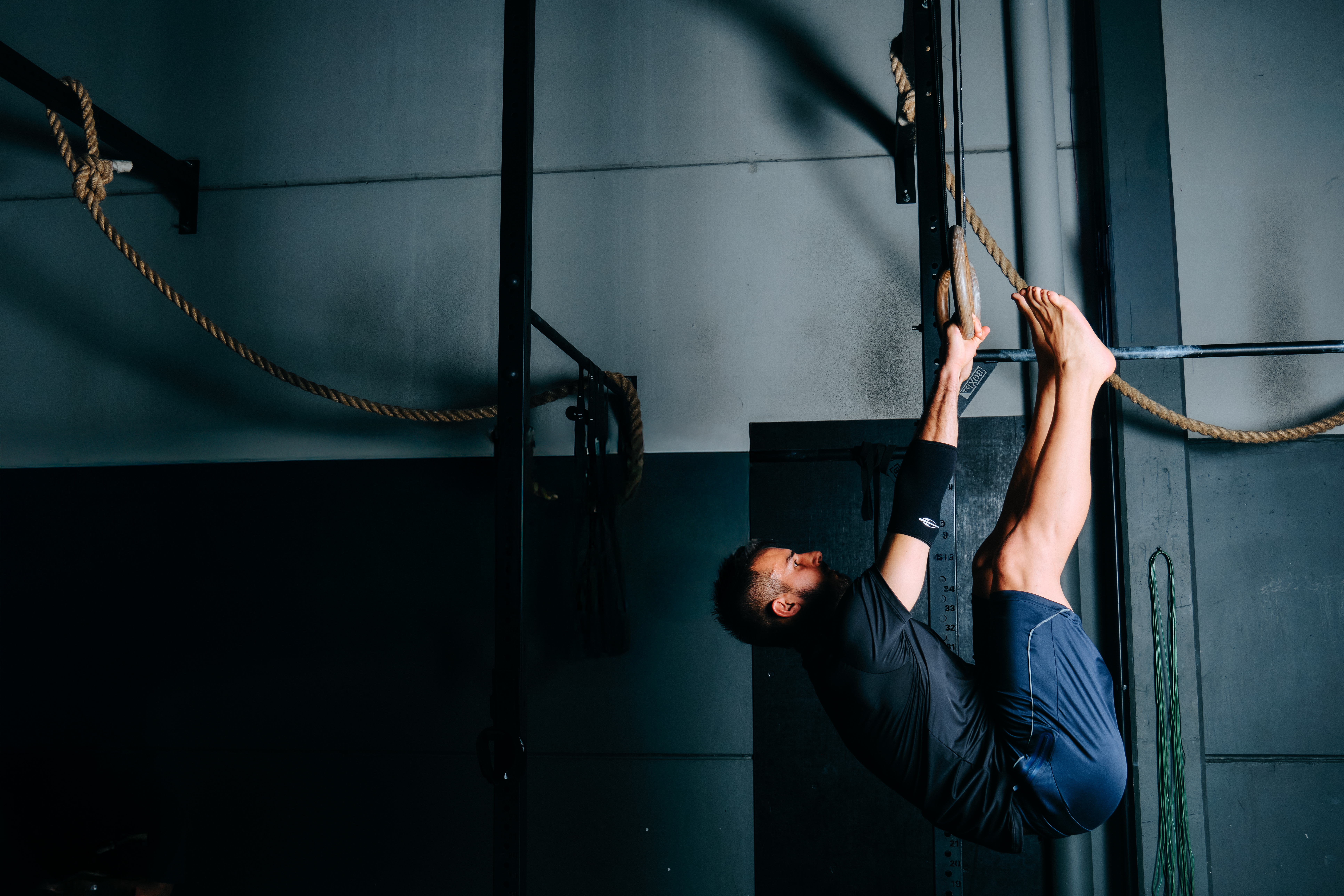
Cross-training doesn’t get nearly enough credit. Most athletes have a sport they love and a routine they stick to, which makes complete sense until the body starts sending signals that it’s had enough of the same movements, the same load, the same stress on the same joints. That’s usually when injuries show up. And that’s exactly where cross-training comes in.
Why single-sport training creates vulnerabilities
Every sport develops certain muscles and movement patterns intensively while leaving others relatively underdeveloped. Surfing builds significant shoulder and core strength but doesn’t load the legs and hips the same way running or strength training does. Jiu-jitsu develops grip strength, body awareness and ground-based movement but misses the cardiovascular base that swimming or cycling builds. Running creates strong legs and cardiovascular capacity but can neglect upper body stability and rotational strength.
These gaps aren’t just about performance. They’re where injuries happen. When certain muscle groups are consistently stronger and more developed than the ones surrounding them, the body compensates. Joints take on load they weren’t designed to handle. Patterns that feel normal in training become risk factors over time.
What the research actually shows
The numbers on cross-training and injury prevention are hard to ignore. A 2024 meta-analysis found that strength training programs alone reduce overall injury risk by 30%. That number climbs when varied movement patterns are added to the mix.
The British Journal of Sports Medicine found that tailored exercise programs combining strength training, balance work and varied movement patterns reduce sport injury risk by around 50%. Not a marginal improvement. Half the injury rate, from athletes who simply moved in more than one way on a regular basis.
The NSCA, the National Strength and Conditioning Association, has long advocated for multi-modal training approaches in athlete development, noting that movement variety builds the neuromuscular resilience that single-sport specialization tends to erode over time.
What this looks like in practice
Cross-training doesn’t require a dramatic overhaul of your routine. It requires adding variety to it. A surfer adding two running sessions per week builds the leg strength and cardiovascular capacity that paddling alone won’t develop. A jiu-jitsu practitioner adding swimming sessions builds shoulder endurance and aerobic base without adding joint stress. A runner adding strength work builds the hip and glute stability that reduces knee and ankle injury risk significantly.
The specifics matter less than the principle. The body gets more resilient when it’s regularly asked to move in different ways, recruit different muscle groups and adapt to different types of physical demand. That variety is what builds the kind of durability that keeps athletes in their sport for years, not just seasons.
The athletes who last the longest
There’s a pattern that shows up consistently across sports: the athletes who stay competitive and injury-free the longest aren’t always the most talented or the hardest workers. They’re the ones who figured out how to keep their body ready for the demands of their sport over time.
Cross-training is a big part of how they do it. Not because it replaces what they love, but because it supports it. The surf session feels better after a week that included a run and a strength session. The jiu-jitsu training is sharper when the cardiovascular base is solid. The run is more efficient when the hips and glutes are strong from varied training.
The goal was never to do less of what you love. It was to be able to keep doing it for as long as possible.
Read more: Summer Workouts: Why They Suddenly Feel So Much Easier