
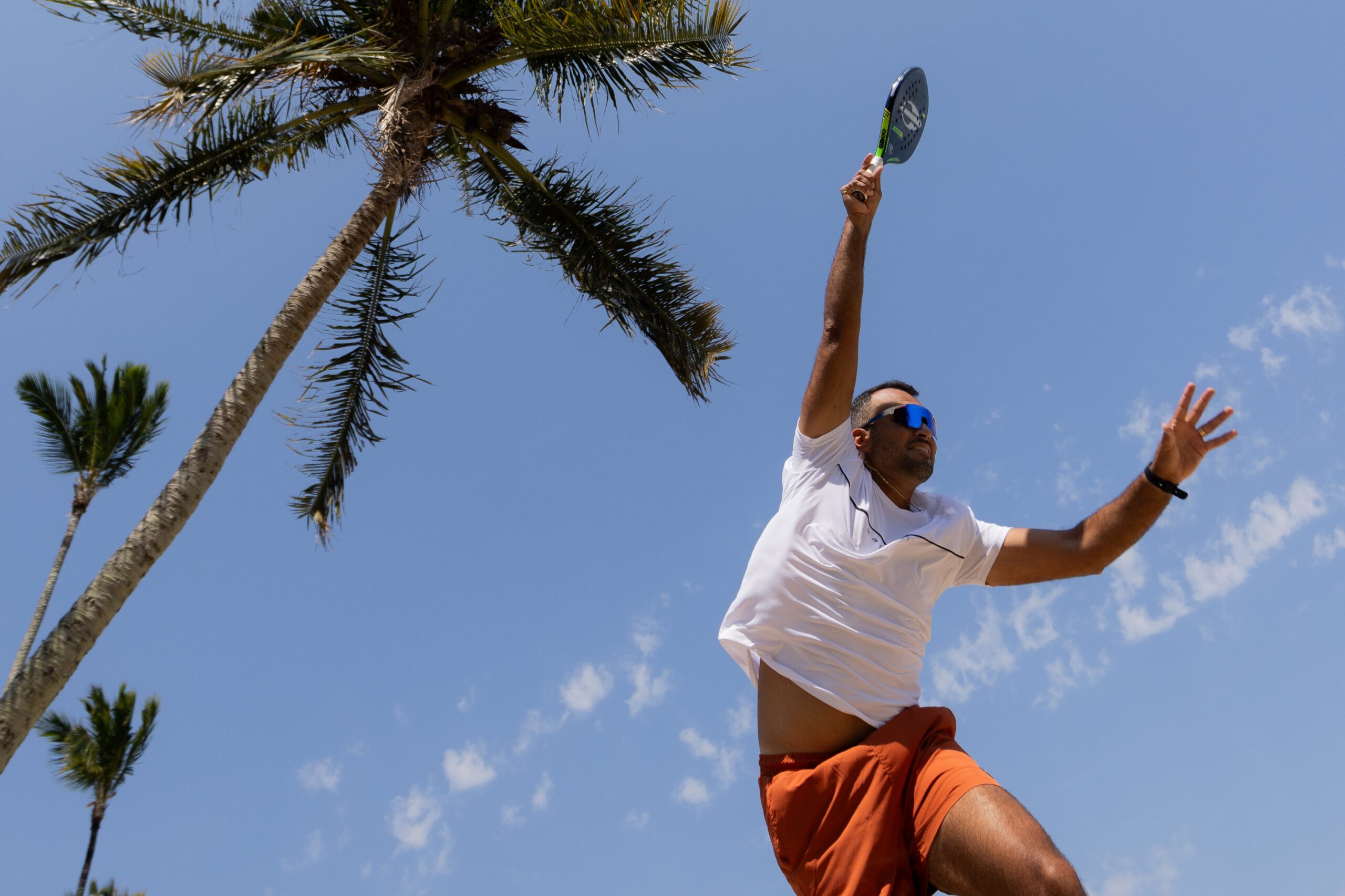
Niche sports like beach tennis, jiu-jitsu and open water swimming are growing fast. Here’s why community-driven sports outpace the mainstream.
Niche sports have been quietly outpacing mainstream ones for years. The numbers are hard to argue with. Beach tennis hosted 491 tournaments across 32 countries in 2024. Open water swimming events hit $1.2 billion globally. BJJ academies are opening faster than regular gyms in several US cities. And yet, most people still think of these as fringe activities. That gap between perception and reality is exactly what makes this interesting.
Why community-driven sports grow differently
The pattern shows up consistently across research on sports fan behavior. The sports with the most dedicated communities aren’t always the biggest ones. They’re the ones where people feel like they actually belong to something, not just follow it.
Research published in the Journal of Sport Management (2025) found that in niche sports, on-field success plays a much smaller role in fan development than it does in mainstream sports. What drives loyalty and engagement instead is the sense of identity and personal connection that forms around the sport itself. People in these communities aren’t there for the TV coverage or the big sponsors. They’re there because the sport means something to them personally, and that’s a very different kind of loyalty.
The belonging factor
There’s something that happens in sports that aren’t on primetime yet. The community gets tighter. Athletes and supporters share the same spaces. Events feel personal. Everyone knows everyone. That closeness builds the kind of loyalty that mainstream sports, with their massive audiences and corporate structures, genuinely struggle to replicate.
Research on niche sports consistently shows that when something feels like yours, you don’t just watch it. You bring people into it. You travel for it. You build your weekends around it. That word-of-mouth, community-driven growth is what’s behind the numbers in beach tennis, jiu-jitsu and open water swimming right now.
The mainstream pattern
This isn’t new. MMA was fringe in 2005 and a multi-billion dollar industry by 2025. Skateboarding spent four decades as a subculture before landing at the Tokyo Olympics in 2021. Snowboarding was literally banned at most ski resorts in the 1980s. The pattern is always the same: tight community, genuine passion, and then one day the rest of the world catches up.
What’s worth paying attention to is that the sports currently in that early-community phase are already showing the same signals. Beach tennis’ tournament infrastructure rivals that of sports that have been around for decades. Open water swimming is building an event ecosystem that’s attracting participants across every age group and ability level. BJJ has built a global culture of training, competition and community that keeps people involved for life, not just for a season.
Why this matters beyond the numbers
The growth of niche sports isn’t just a market trend. It reflects something real about what people are looking for from sport right now. Less passive consumption, more active participation. Less watching, more belonging. Less following a team on TV, more being part of a community that trains together, travels together and genuinely cares about the same thing.
That feeling is hard to manufacture. You can’t pay for it or engineer it through a marketing campaign. It either develops organically or it doesn’t. And in beach tennis, open water swimming and jiu-jitsu, it’s very much developing right now.
What comes next
The sports dominating primetime right now were all someone’s niche hobby a few decades ago. The question worth asking is which sports currently in that community-building phase are going to look, in ten years, the way MMA and skateboarding look today.
The signals are already there. The communities are already built. The growth is already happening. It just hasn’t made it to primetime yet.
Read more: Summer Workouts: Why They Suddenly Feel So Much Easier